

Bidiyah – The Ministry of Labour launched a national forum on Monday aimed at strengthening employment governance in community-based sectors, with the traditional camel-breeding economy selected as a model for reform. The Employment Governance Forum for Community-Based Sectors opened in the wilayat of Bidiyah, North Sharqiyah, under the patronage of H E Dr Mahad Said […]
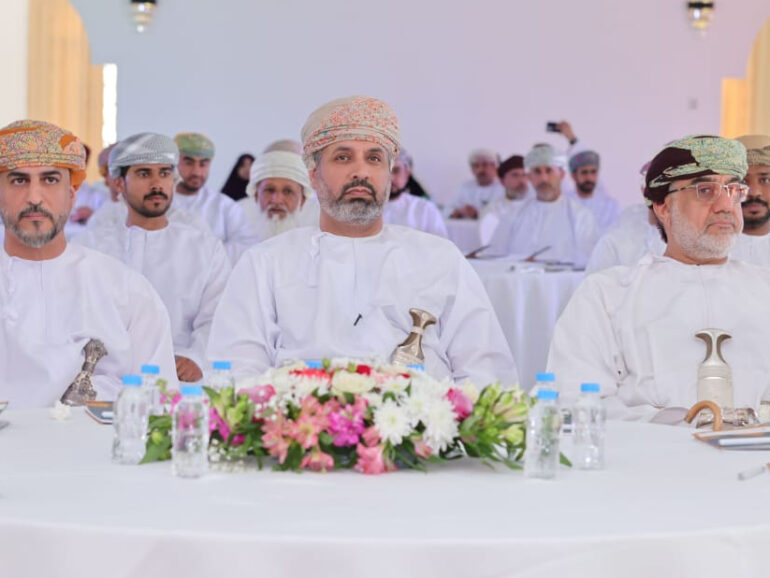
Bidiyah – The Ministry of Labour launched a national forum on Monday aimed at strengthening employment governance in community-based sectors, with the traditional camel-breeding economy selected as a model for reform.
The Employment Governance Forum for Community-Based Sectors opened in the wilayat of Bidiyah, North Sharqiyah, under the patronage of H E Dr Mahad Said Baawain, Minister of Labour. Organised by MoL through its Directorate General in the governorate, the three-day event forms part of wider efforts to modernise the labour market and regulate sectoral employment in line with Oman Vision 2040.
Officials said the camel economy was chosen because of its cultural and economic weight and its growing potential for production and investment. With the right legislative and institutional support, they noted, the sector can become a stronger contributor to diversification while maintaining its heritage role.
Eng Ishaq Jumaa al Kharousi, Director General of Labour in North Sharqiyah, said regulating community-based sectors had become a national priority to ensure their sustainability and reinforce their developmental role. The camel sector, he said, offers a clear example of a field where heritage and economic value intersect.
He added that ongoing governance efforts aim to create a balanced employment system that strengthens coordination between institutions and allows practitioners to operate within a stable framework guided by transparent standards. “Governance is more than regulation,” he said. “It is a national vision to build an integrated and sustainable labour market founded on efficiency and productivity.”
The forum brought together government entities, private-sector representatives, researchers and specialists in livestock development and employment policy. Sessions and workshops examined ways to support national breeders, strengthen legislative tools, and develop a sustainable production chain that improves self-sufficiency and contributes to diversification.
Participants also discussed enhancing value chains for camel products, increasing added value, and enabling young Omanis to enter emerging economic activities within the sector. Regional experiences in managing similar industries were reviewed for comparison.
Key proposals included forming a national database of workers in community-based sectors, creating a specialised occupational classification under the Omani system, expanding training with educational institutions, and encouraging investment in productive and service activities linked to the camel economy.
The forum emphasised the need for transparent employment practices, stronger institutional coordination and the integration of workers into social protection systems. Participants also called for wider community engagement and support for entrepreneurs through financial and advisory programmes.
A heritage exhibition showcasing traditional camel-related items was held on the sidelines, reflecting the long-standing relationship between Omanis and camels.
 Every contribution matters: Major blood donation drive on December 2
 MoCIIP launches investment mission to South Africa to explore new partnerships
 Sayyid Theyazin lays foundation for RO1.7bn urban projects
 Ministries outline coordinated action on child protection
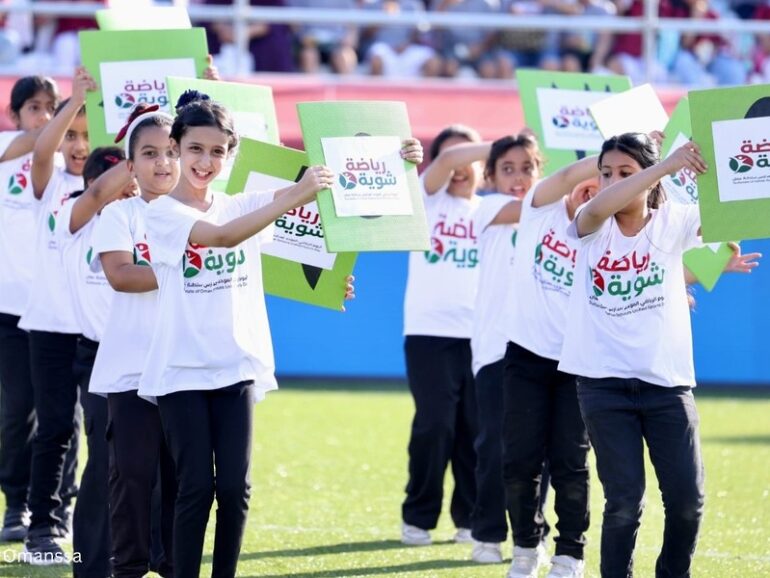 Unified school sports day promotes active lifestyle among students
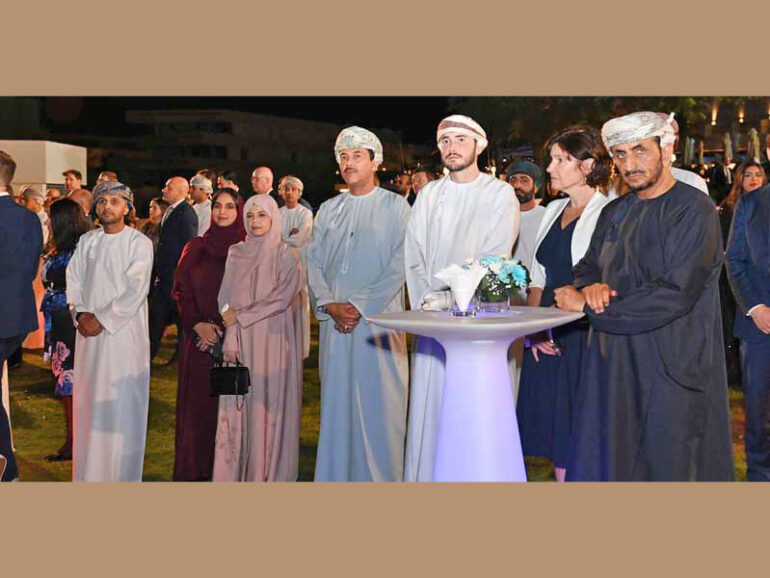 Oman, Netherlands conclude year-long celebrations marking 400 years of maritime ties