


Muscat – In a significant achievement for the Sultanate’s scientific community, an official from the Royal Court Affairs Astronomical Observatory has successfully identified two previously unknown asteroids within the solar system’s main asteroid belt. This international milestone was reached as part of the International Astronomical Search Collaboration (IASC), a global initiative supported by NASA and […]
Muscat – In a significant achievement for the Sultanate’s scientific community, an official from the Royal Court Affairs Astronomical Observatory has successfully identified two previously unknown asteroids within the solar system’s main asteroid belt. This international milestone was reached as part of the International Astronomical Search Collaboration (IASC), a global initiative supported by NASA and various prestigious astronomical institutions.
The discovery was made by Abdullah bin Mohammed al Haji, who utilised advanced digital imaging from the Pan-STARRS 2 telescope located at the Haleakalā Observatory in Hawaii. By employing specialised Astrometrica software to analyse sequential deep-space photographs, Al Haji was able to detect moving celestial bodies that did not correspond with any known records. Following a rigorous verification process, the International Astronomical Union confirmed the findings, awarding Al Haji official certificates of preliminary discovery.
The two celestial bodies have been designated as 2024 WH61 and 2024 WP61. The first asteroid, 2024 WH61, maintains an orbit approximately 2.4 astronomical units from the Sun with a four-year orbital period, while 2024 WP61 orbits at a distance of 3.1 astronomical units, completing a full revolution every five years. Both objects will undergo continued monitoring for several years to refine their orbital paths before they are granted permanent names.
Reflecting on the accomplishment, Al Haji noted that this success stems from a wider project intended to engage educational institutions and astronomy enthusiasts. This collaborative framework allows researchers to access vast quantities of data from global observatories, fostering a deeper understanding of space science while contributing vital data to the global astronomical registry. The Royal Court Affairs continues to support such initiatives, positioning Oman as a contributor to international space exploration and planetary defence.
 Al Khoudh set to host Muscat Nights cycling event this Friday
 Oman International Drift Championship set to ignite Muscat Drift Arena
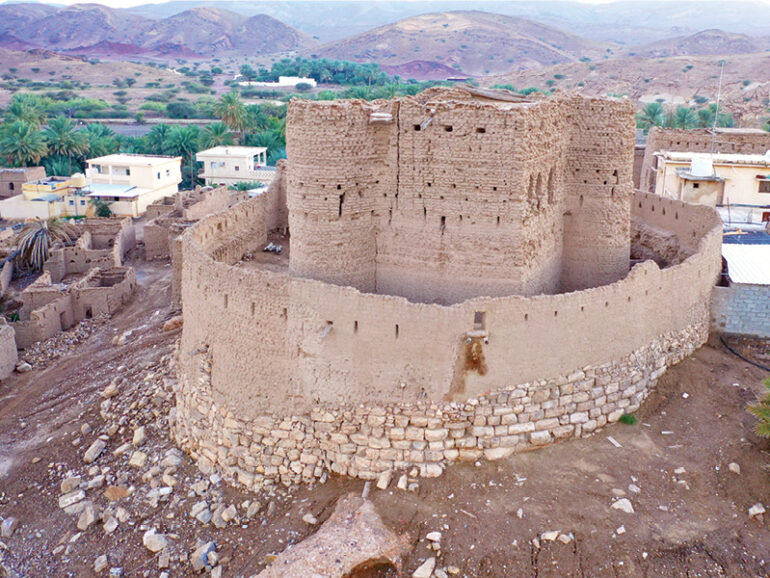 Global scholars to gather at SQU for landmark archaeology conference
 Strategic push to turn Omani diplomatic missions into economic platforms
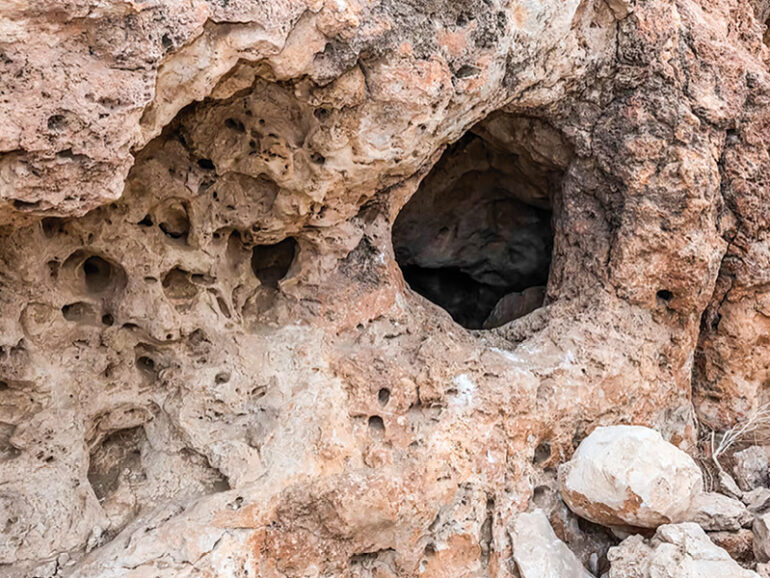 Dhahirah to develop Khattaan Cave, expand tourism projects
 Major contract awarded to Dubai firm for Sayyid Tarik bin Taimur Cultural Complex